How Teachers Can Encourage Active Learning
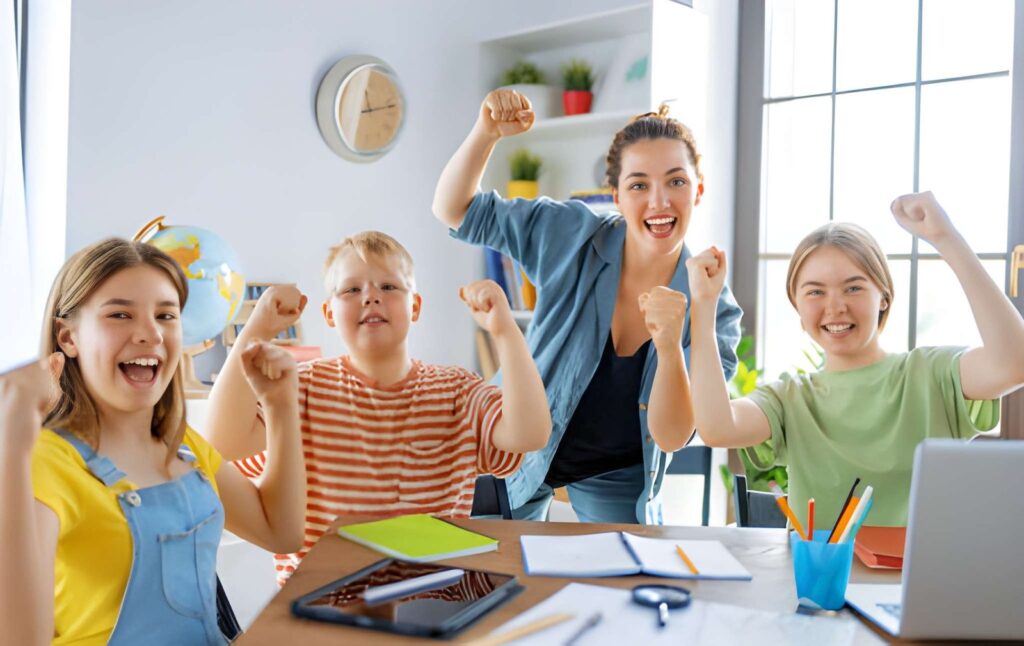
Active learning is one of the most effective ways to help students understand, remember, and apply what they learn. Instead of simply listening to a Trang chủ Hubet lecture or copying notes, students take part in the learning process through discussion, problem-solving, questioning, collaboration, and reflection. For teachers, encouraging active learning can lead to more engaged classrooms, stronger critical thinking skills, and better academic outcomes.
This article explores practical strategies teachers can use to promote active learning in the classroom and create a student-centered learning environment.
What Is Active Learning?
Active learning is an instructional approach that involves students directly in the learning process. Rather than being passive receivers of information, students actively participate by thinking, speaking, writing, creating, and working with others.
Examples of active learning include group discussions, hands-on activities, debates, peer teaching, role-playing, case studies, and project-based learning. The goal is to help students engage more deeply with content and develop skills such as communication, creativity, and problem-solving.
Why Active Learning Matters
Active learning helps students move beyond memorization. When students actively use information, they are more likely to understand it and remember it long term. It also gives teachers valuable insight into what students know, what they misunderstand, and where they need support.
In an active learning classroom, students are encouraged to ask questions, share ideas, and take responsibility for their learning. This can improve motivation and confidence, especially for students who may struggle with traditional lecture-based instruction.
Create a Student-Centered Classroom
One of the best ways teachers can encourage active learning is by shifting the focus from teacher-led instruction to student-centered learning. This does not mean the teacher becomes less important. Instead, the teacher acts as a guide, facilitator, and coach.
Teachers can create a student-centered classroom by giving students choices, encouraging discussion, and allowing them to explore topics in different ways. For example, students might choose between writing an essay, creating a presentation, or designing a poster to demonstrate understanding.
When students feel they have a voice in the classroom, they are more likely to participate and take ownership of their learning.
Ask Open-Ended Questions
Questions are powerful tools for active learning. Instead of asking only factual questions with one correct answer, teachers can ask open-ended questions that encourage deeper thinking.
For example, instead of asking, “What year did this event happen?” a teacher might ask, “Why do you think this event was important?” or “How might history have changed if this event had not occurred?”
Open-ended questions encourage students to analyze, explain, and defend their ideas. They also promote classroom discussion and help students learn from one another.
Use Think-Pair-Share Activities
Think-pair-share is a simple and effective active learning strategy. First, the teacher asks a question or presents a problem. Students take a moment to think individually. Then they pair up with a classmate to discuss their ideas. Finally, pairs share their thoughts with the larger group.
This method works well because it gives every student time to process information before speaking. It also helps quieter students feel more comfortable participating. Think-pair-share can be used in almost any subject and requires little preparation.
Encourage Collaborative Learning
Collaborative learning allows students to work together to solve problems, complete tasks, or create projects. Group work helps students develop communication, leadership, and teamwork skills.
To make collaborative learning successful, teachers should provide clear instructions and assign specific roles when needed. For example, one student might be the note-taker, another the presenter, and another the timekeeper.
Teachers should also monitor groups and offer guidance without taking over. The goal is for students to learn with and from each other.
Include Hands-On Activities
Hands-on learning is especially useful for helping students connect abstract ideas to real-world experiences. Science experiments, math manipulatives, art projects, simulations, and classroom demonstrations can all make lessons more interactive.
For example, students learning about measurement might use rulers and objects around the classroom instead of only reading from a textbook. Students studying ecosystems might create a model habitat. These activities help students actively explore concepts and make learning more memorable.
Use Technology to Support Active Learning
Educational technology can be a valuable tool for encouraging active learning. Teachers can use online quizzes, digital discussion boards, interactive presentations, educational games, and collaborative documents to increase student participation.
For instance, students can respond to polls during a lesson, work together on a shared document, or create short videos to explain a topic. Technology also allows teachers to provide immediate feedback and track student progress.
However, technology should support learning goals, not distract from them. The best tools are those that encourage students to think, create, collaborate, or reflect.
Promote Classroom Discussion
Classroom discussion gives students the opportunity to express opinions, listen to different perspectives, and build communication skills. To encourage meaningful discussion, teachers should create a safe and respectful classroom environment.
Setting discussion rules can help. Students should know how to listen actively, disagree politely, and support their ideas with evidence. Teachers can also use discussion prompts, small-group conversations, or debate formats to keep students engaged.
When students feel respected, they are more willing to share their thoughts and participate actively.
Connect Lessons to Real Life
Students are more likely to engage when they understand why a lesson matters. Teachers can encourage active learning by connecting classroom content to real-life situations, current events, careers, or students’ personal experiences.
For example, a math teacher might use budgeting, sports statistics, or shopping discounts to teach percentages. An English teacher might connect a novel’s themes to modern social issues. Real-world connections make learning more relevant and meaningful.
Provide Opportunities for Reflection
Reflection is an important part of active learning. It helps students think about what they learned, how they learned it, and what they still need to improve.
Teachers can use reflection journals, exit tickets, self-assessments, or class discussions. At the end of a lesson, students might answer questions such as, “What is one thing I learned today?” or “What question do I still have?”
Reflection helps students become more aware of their own learning process and encourages a growth mindset.
Give Feedback and Encourage Improvement
Active learning works best when students receive regular feedback. Feedback helps students understand their strengths and identify areas for growth. It should be specific, constructive, and focused on improvement.
Instead of simply marking an answer wrong, teachers can explain why and suggest a next step. Peer feedback can also be useful when students are taught how to give respectful and helpful comments.
When feedback is part of the learning process, students become more willing to revise, try again, and take academic risks.
Conclusion
Encouraging active learning helps teachers create engaging, meaningful, and effective classroom experiences. By using strategies such as open-ended questions, collaborative learning, hands-on activities, classroom discussions, technology, and reflection, teachers can help students become active participants in their education.
Active learning does not require a complete change in teaching style overnight. Small changes, such as adding Bắn Cá Hubet a think-pair-share activity or ending a lesson with a reflection question, can make a big difference. When students are actively involved, they are more likely to stay motivated, think critically, and develop the skills they need for lifelong learning.