Curtin Blog

Sample Page

Category: General

  • Native Plants for Sustainable Landscaping
    Native Plants for Sustainable Landscaping

    Sustainable landscaping is no longer just a trend—it is a practical Trang chủ TG88 way to create beautiful outdoor spaces while conserving water, supporting wildlife, and reducing maintenance. One of the most effective strategies for eco-friendly garden design is using native plants. These plants naturally occur in a particular region and have adapted over time to local soil, climate, rainfall, and wildlife. By choosing native plants for sustainable landscaping, homeowners, businesses, and communities can create resilient landscapes that benefit both people and the environment.

    What Are Native Plants?

    Native plants are species that have grown naturally in a specific area for hundreds or thousands of years without human introduction. They include trees, shrubs, grasses, wildflowers, vines, and groundcovers. Because they are adapted to local conditions, native plants often require fewer resources than non-native ornamental plants.

    For example, a native grass in a dry region may thrive with minimal irrigation, while a native flowering plant may attract local bees, butterflies, and birds. These plants form part of the natural ecosystem, making them essential for biodiversity and long-term environmental health.

    Why Choose Native Plants for Sustainable Landscaping?

    Using native plants in landscaping offers many advantages. They are attractive, functional, and environmentally responsible. Whether you are designing a small backyard garden or a large commercial landscape, native plants can help create a more sustainable outdoor space.

    1. Water Conservation

    One of the biggest benefits of native plants is their ability to conserve water. Since they are adapted to local rainfall patterns, many native species require little or no supplemental irrigation once established. This is especially valuable in areas affected by drought or water restrictions.

    Traditional lawns and exotic plants often need frequent watering to stay healthy. In contrast, native landscaping can significantly reduce outdoor water use. By replacing water-hungry turf with native grasses, shrubs, and flowers, property owners can lower utility bills and protect local water resources.

    2. Lower Maintenance Requirements

    Native plants typically need less care than non-native species. Because they are suited to the local environment, they are more likely to resist pests, diseases, and weather extremes. This means less time spent watering, fertilizing, mowing, and spraying chemicals.

    A sustainable landscape with native plants can reduce the need for synthetic fertilizers and pesticides. This not only saves money but also helps prevent chemical runoff from entering streams, rivers, and groundwater. Over time, native gardens become more self-sustaining and easier to manage.

    3. Support for Pollinators and Wildlife

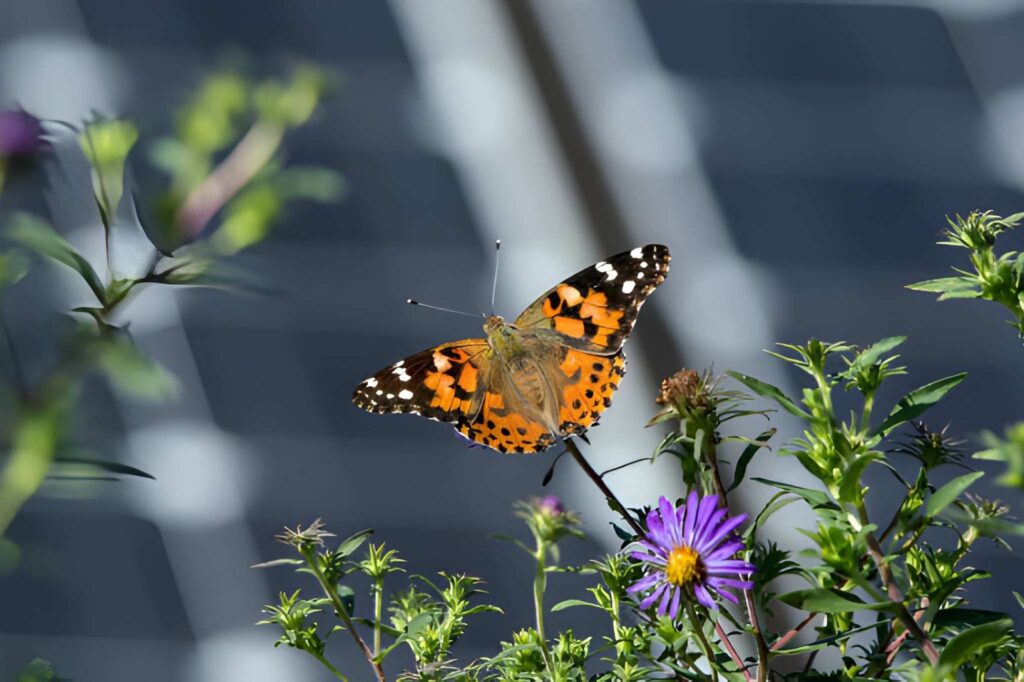
    Native plants play a vital role in supporting local wildlife. Birds, butterflies, bees, and other beneficial insects depend on native plants for food, shelter, and nesting sites. Many pollinators have evolved alongside specific native plants, making these species essential for their survival.

    For example, monarch butterflies rely on native milkweed plants as host plants for their caterpillars. Native flowering plants provide nectar and pollen for bees and butterflies throughout the growing season. Berry-producing shrubs and seed-bearing grasses offer food for birds and small mammals.

    By incorporating native plants into your landscape, you can create a healthy habitat that encourages biodiversity.

    Best Native Plants for Sustainable Landscaping

    The best native plants for your landscape depend on your region, soil type, sun exposure, and moisture levels. Before planting, research species that are native to your local area. Local extension offices, native plant societies, and garden centers can provide helpful guidance.

    Native Trees

    Native trees provide shade, improve air quality, and reduce energy costs by cooling buildings. They also offer nesting areas and food for birds and wildlife. Popular native trees may include oaks, maples, dogwoods, redbuds, and pines, depending on your region.

    Oaks are especially valuable because they support hundreds of insect species, which in turn feed birds and other wildlife.

    Native Shrubs

    Native shrubs add structure, color, and year-round interest to a sustainable landscape. Many produce flowers, berries, or attractive foliage. Examples may include serviceberry, viburnum, elderberry, buttonbush, and native holly.

    Shrubs can be used for hedges, privacy screens, foundation plantings, or wildlife gardens.

    Native Wildflowers

    Native wildflowers bring beauty and pollinator value to landscapes. They can be planted in garden beds, meadows, borders, or rain gardens. Popular choices may include coneflower, black-eyed Susan, bee balm, goldenrod, asters, and milkweed.

    To support pollinators, choose a variety of flowers that bloom at different times of the year.

    Native Grasses

    Native grasses are excellent alternatives to traditional turfgrass. They are often drought-tolerant, low-maintenance, and visually appealing. Switchgrass, little bluestem, big bluestem, and prairie dropseed are common options in many areas.

    These grasses provide texture, movement, and habitat while helping prevent soil erosion.

    How to Design a Native Plant Landscape

    Creating a sustainable landscape with native plants starts with thoughtful planning. Consider the natural conditions of your property and choose plants that will thrive without excessive inputs.

    Assess Your Site

    Before buying plants, evaluate your landscape. Note how much sunlight each area receives, whether the soil is sandy or clay-based, and where water collects after rain. Matching plants to site conditions is the key to success.

    For example, moisture-loving native plants are ideal for rain gardens, while drought-tolerant species work well on sunny slopes.

    Start Small

    You do not have to transform your entire yard at once. Start with one garden bed, a pollinator patch, or a section of lawn that is difficult to maintain. Over time, you can expand your native planting areas.

    Starting small allows you to learn which plants perform best in your landscape.

    Use Layers and Diversity

    A healthy native landscape includes a mix of plant types and heights. Combine trees, shrubs, grasses, and flowers to mimic natural ecosystems. This layered approach creates visual interest and provides habitat for a wider range of wildlife.

    Plant diversity also reduces the risk of widespread damage from pests or diseases.

    Reduce Lawn Areas

    Traditional lawns require mowing, watering, and fertilizing. Reducing lawn size is one of the easiest ways to make your landscape more sustainable. Replace unused turf with native groundcovers, meadow plantings, or shrub beds.

    If you still want lawn space, consider using native or low-maintenance grass blends suited to your region.

    Native Plants and Climate Resilience

    Native plants can help landscapes adapt to climate challenges. Their deep root systems improve soil structure, increase water absorption, and reduce erosion. Many native species can withstand periods of drought, heavy rain, or temperature fluctuations better than non-native plants.

    By improving soil health and reducing dependence on irrigation and chemicals, native landscapes contribute to a more climate-resilient environment.

    Common Mistakes to Avoid

    When landscaping with native plants, avoid choosing species simply because they are labeled “wildflowers” or “natural.” Not all wildflowers are native to your region, and some non-native plants can become invasive. Always verify that a plant is truly native to your area.

    Another common mistake is planting without considering mature size. Give trees, shrubs, and grasses enough space to grow. Proper spacing reduces overcrowding and improves long-term plant health.

    Finally, remember that native plants still need care during establishment. Water new plants regularly during their first growing season until their roots become established.

    Conclusion

    Native plants for sustainable landscaping offer a smart, beautiful, and environmentally friendly solution for modern outdoor spaces. They conserve water, reduce maintenance, support pollinators, improve soil health, and create habitat for wildlife. By choosing plants adapted to your local region, you can build a landscape that is both attractive and resilient.

    Whether you are replacing a lawn, planting a pollinator garden, or redesigning an entire property, native plants Bắn cá TG88 are a powerful foundation for sustainable landscaping. With careful planning and the right plant choices, your yard can become a thriving ecosystem that benefits your home, your community, and the planet.

  • How Teachers Can Encourage Active Learning

    How Teachers Can Encourage Active Learning

    Active learning is one of the most effective ways to help students understand, remember, and apply what they learn. Instead of simply listening to a Trang chủ Hubet lecture or copying notes, students take part in the learning process through discussion, problem-solving, questioning, collaboration, and reflection. For teachers, encouraging active learning can lead to more engaged classrooms, stronger critical thinking skills, and better academic outcomes.

    This article explores practical strategies teachers can use to promote active learning in the classroom and create a student-centered learning environment.

    What Is Active Learning?

    Active learning is an instructional approach that involves students directly in the learning process. Rather than being passive receivers of information, students actively participate by thinking, speaking, writing, creating, and working with others.

    Examples of active learning include group discussions, hands-on activities, debates, peer teaching, role-playing, case studies, and project-based learning. The goal is to help students engage more deeply with content and develop skills such as communication, creativity, and problem-solving.

    Why Active Learning Matters

    Active learning helps students move beyond memorization. When students actively use information, they are more likely to understand it and remember it long term. It also gives teachers valuable insight into what students know, what they misunderstand, and where they need support.

    In an active learning classroom, students are encouraged to ask questions, share ideas, and take responsibility for their learning. This can improve motivation and confidence, especially for students who may struggle with traditional lecture-based instruction.

    Create a Student-Centered Classroom

    One of the best ways teachers can encourage active learning is by shifting the focus from teacher-led instruction to student-centered learning. This does not mean the teacher becomes less important. Instead, the teacher acts as a guide, facilitator, and coach.

    Teachers can create a student-centered classroom by giving students choices, encouraging discussion, and allowing them to explore topics in different ways. For example, students might choose between writing an essay, creating a presentation, or designing a poster to demonstrate understanding.

    When students feel they have a voice in the classroom, they are more likely to participate and take ownership of their learning.

    Ask Open-Ended Questions

    Questions are powerful tools for active learning. Instead of asking only factual questions with one correct answer, teachers can ask open-ended questions that encourage deeper thinking.

    For example, instead of asking, “What year did this event happen?” a teacher might ask, “Why do you think this event was important?” or “How might history have changed if this event had not occurred?”

    Open-ended questions encourage students to analyze, explain, and defend their ideas. They also promote classroom discussion and help students learn from one another.

    Use Think-Pair-Share Activities

    Think-pair-share is a simple and effective active learning strategy. First, the teacher asks a question or presents a problem. Students take a moment to think individually. Then they pair up with a classmate to discuss their ideas. Finally, pairs share their thoughts with the larger group.

    This method works well because it gives every student time to process information before speaking. It also helps quieter students feel more comfortable participating. Think-pair-share can be used in almost any subject and requires little preparation.

    Encourage Collaborative Learning

    Collaborative learning allows students to work together to solve problems, complete tasks, or create projects. Group work helps students develop communication, leadership, and teamwork skills.

    To make collaborative learning successful, teachers should provide clear instructions and assign specific roles when needed. For example, one student might be the note-taker, another the presenter, and another the timekeeper.

    Teachers should also monitor groups and offer guidance without taking over. The goal is for students to learn with and from each other.

    Include Hands-On Activities

    Hands-on learning is especially useful for helping students connect abstract ideas to real-world experiences. Science experiments, math manipulatives, art projects, simulations, and classroom demonstrations can all make lessons more interactive.

    For example, students learning about measurement might use rulers and objects around the classroom instead of only reading from a textbook. Students studying ecosystems might create a model habitat. These activities help students actively explore concepts and make learning more memorable.

    Use Technology to Support Active Learning

    Educational technology can be a valuable tool for encouraging active learning. Teachers can use online quizzes, digital discussion boards, interactive presentations, educational games, and collaborative documents to increase student participation.

    For instance, students can respond to polls during a lesson, work together on a shared document, or create short videos to explain a topic. Technology also allows teachers to provide immediate feedback and track student progress.

    However, technology should support learning goals, not distract from them. The best tools are those that encourage students to think, create, collaborate, or reflect.

    Promote Classroom Discussion

    Classroom discussion gives students the opportunity to express opinions, listen to different perspectives, and build communication skills. To encourage meaningful discussion, teachers should create a safe and respectful classroom environment.

    Setting discussion rules can help. Students should know how to listen actively, disagree politely, and support their ideas with evidence. Teachers can also use discussion prompts, small-group conversations, or debate formats to keep students engaged.

    When students feel respected, they are more willing to share their thoughts and participate actively.

    Connect Lessons to Real Life

    Students are more likely to engage when they understand why a lesson matters. Teachers can encourage active learning by connecting classroom content to real-life situations, current events, careers, or students’ personal experiences.

    For example, a math teacher might use budgeting, sports statistics, or shopping discounts to teach percentages. An English teacher might connect a novel’s themes to modern social issues. Real-world connections make learning more relevant and meaningful.

    Provide Opportunities for Reflection

    Reflection is an important part of active learning. It helps students think about what they learned, how they learned it, and what they still need to improve.

    Teachers can use reflection journals, exit tickets, self-assessments, or class discussions. At the end of a lesson, students might answer questions such as, “What is one thing I learned today?” or “What question do I still have?”

    Reflection helps students become more aware of their own learning process and encourages a growth mindset.

    Give Feedback and Encourage Improvement

    Active learning works best when students receive regular feedback. Feedback helps students understand their strengths and identify areas for growth. It should be specific, constructive, and focused on improvement.

    Instead of simply marking an answer wrong, teachers can explain why and suggest a next step. Peer feedback can also be useful when students are taught how to give respectful and helpful comments.

    When feedback is part of the learning process, students become more willing to revise, try again, and take academic risks.

    Conclusion

    Encouraging active learning helps teachers create engaging, meaningful, and effective classroom experiences. By using strategies such as open-ended questions, collaborative learning, hands-on activities, classroom discussions, technology, and reflection, teachers can help students become active participants in their education.

    Active learning does not require a complete change in teaching style overnight. Small changes, such as adding  Bắn Cá Hubet a think-pair-share activity or ending a lesson with a reflection question, can make a big difference. When students are actively involved, they are more likely to stay motivated, think critically, and develop the skills they need for lifelong learning.